
Heat-resistant rubber sheets
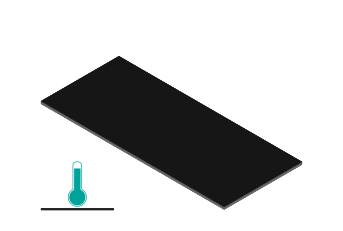
Heat-resistant rubber sheets and mats are made of EPDM or an EPDM/IIR blend. The technical rubber sheet is supplied in rolls, mats or tiles and is used at temperatures between 110 and 150 °C.
Fields of application
 Agriculture
 Mining and quarrying
 Chemical industry
 Building materials
Properties of the rubber sheet
- Abrasion resistance
| Property | Value |
|---|---|
| Hardness, °Shore A | 60-65±5 |
| Tensile strength (kgf/cm2) min. | 50-125 |
| Elongation at break %, min. | 300 |
| Density g/cm3 max. | 1.25 |
| Property | Value |
|---|---|
| Ageing resistance, 70 h × 100 °C | - |
| Loss of tensile strength %, max. | -60 ÷ -30 |
| Loss of elasticity %, max. | -80 ÷ -50 |
| Change in hardness, °Shore A | +10 ÷ +20 |
| Operating temperature, °C | -40°C - 160°C |
Chemical resistance of the rubber sheet
| Substance | Resistance |
|---|---|
| Petrol | + |
| Oils / lubricants | + |
| Acids | ++ |
| Alkalis | + |
| Phosphates / hydraulic fluid | + |
| Fluids / silicates | ++++ |
| Gas-tight | + |
+ poor · ++ fair · +++ good · ++++ excellent
Colour range
- beige
- red
- white
- yellow
- blue
- green
- brown
- grey
- black
Top surface pattern
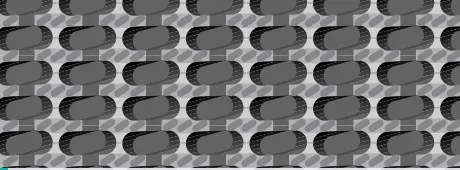 Anti-slip surface
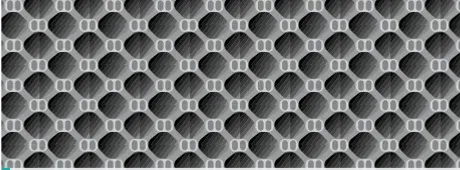 Coarse surface
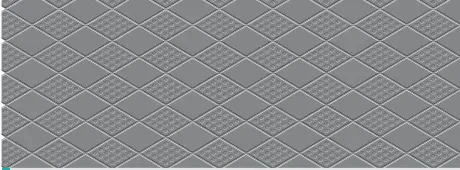 Fine diamond pattern
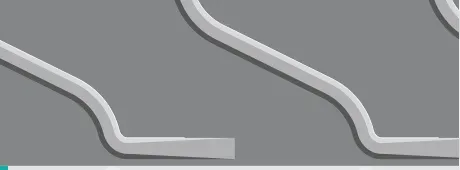 Curved profile
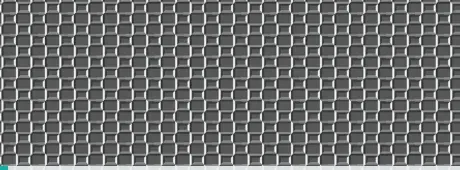 Standard surface
 Pyramid pattern
 Diamond pattern
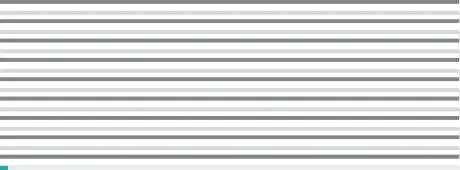 Longitudinal ribs
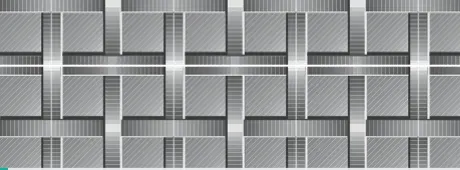 Grid pattern
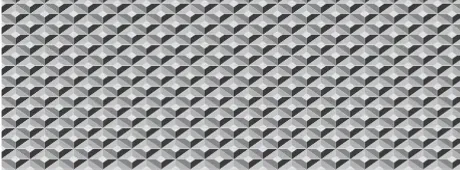 Fine diamond pattern (II)
 Vertical studs
 Herringbone pattern
 Crossed studs
 High rounded profile
Supplied as
- Rolls
- Mats
- Sheets
Roll lengths
| Length (mm) | Tolerance +/- |
|---|---|
| 1000 mm | 50 mm |
| 5000 mm | 250 mm |
| 10000 mm | 500 mm |
| 20000 mm | 1000 mm |
Roll widths
| Width (mm) | Tolerance +/- |
|---|---|
| 900 mm | 18 mm |
| 1000 mm | 20 mm |
| 1220 mm | 24 mm |
| 1300 mm | 26 mm |
| 1400 mm | 28 mm |
Frequently asked questions
What are the heat-resistant sheets made of?
EPDM or an EPDM/butyl rubber (IIR) blend.
What temperatures can they be used at?
They are used in applications at 110–150 °C; the material’s working range is -40 °C to +160 °C.
How hard are they?
From 60 to 65 Shore A (±5).